
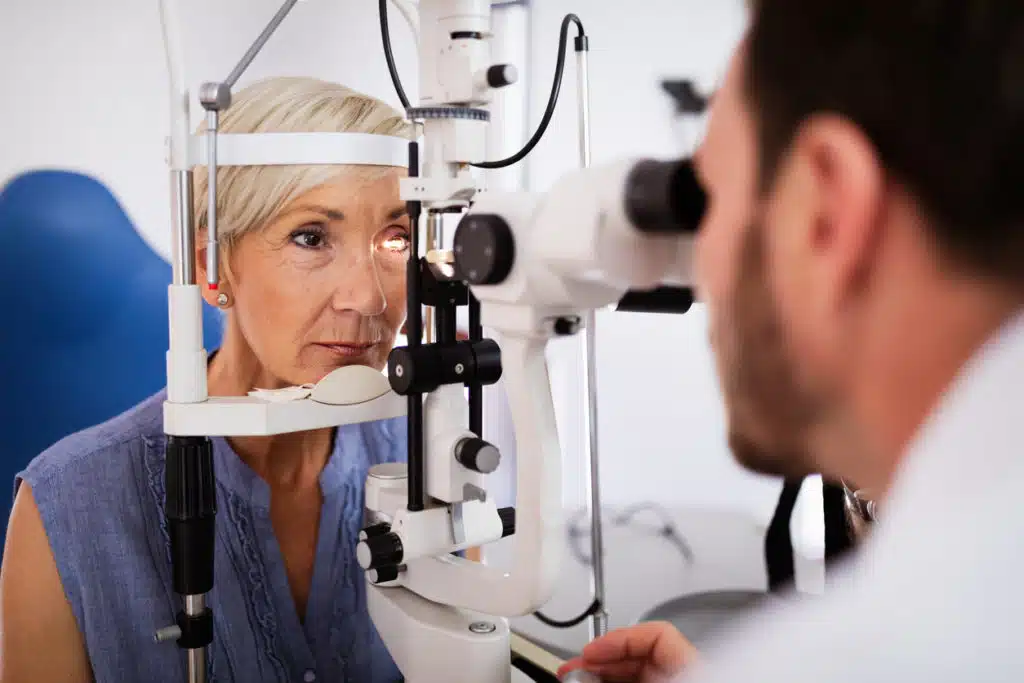
LASIK surgery offers the promise of clear vision without glasses or contacts. However, not everyone qualifies for the procedure. Surgeons evaluate several critical factors during your consultation to determine whether LASIK is safe and effective for your specific situation.
Table of Contents
Age and Prescription Stability
LASIK candidates must be at least 18 years old, as the FDA only approves the procedure for adults who have achieved ocular maturity. Most surgeons prefer patients over 21 because prescriptions tend to fluctuate during late teenage years.
Your prescription must remain stable for at least one year before surgery. Some surgeons require two consecutive years without significant changes. An unstable prescription increases the risk that your vision will drift back toward your previous levels after surgery.
Your ophthalmology specialist in Los Angeles can evaluate whether your prescription has reached the necessary stability.
Corneal Thickness Requirements
Corneal thickness plays a crucial role in determining candidacy. LASIK works by reshaping the cornea with a laser, which requires removing tissue. If your cornea is too thin, there may not be enough tissue to safely correct your vision while maintaining structural integrity.
Surgeons use pachymetry to measure corneal thickness in microns. Higher prescriptions require deeper tissue removal, so they demand thicker corneas. If your cornea measures too thin for traditional LASIK, alternative procedures like PRK or implantable lenses may be safer options.
Prescription Ranges
LASIK can correct a wide range of prescriptions, but limits exist to protect corneal safety. The procedure typically treats myopia from -0.5 to -8.0 diopters, though some advanced practices can safely correct up to -10.0 or even -12.0 in carefully selected cases.
For hyperopia, most practices treat up to +3.0 to +4.0 diopters, while clinics with advanced technology can handle prescriptions up to +5.0 or +7.0 diopters. Astigmatism correction usually extends to around 5.0 or 6.0 diopters. When considering LASIK in Los Angeles
, your surgeon will determine if your prescription falls within treatable parameters.
Overall Health Considerations
Your general health significantly impacts candidacy. Conditions affecting your immune system, such as rheumatoid arthritis or lupus, can impair healing and increase infection risk. Uncontrolled diabetes also disqualifies candidates because it affects healing processes.
Pregnancy causes hormonal changes that can temporarily alter your prescription, making LASIK inadvisable until after delivery and nursing. According to the American Academy of Ophthalmology, comprehensive eye examinations help identify conditions that might affect surgical outcomes.
Eye Health Requirements
Your eyes must be free from diseases, injuries, and infections. Conditions like keratoconus, severe cataracts, glaucoma, or active eye infections disqualify candidates. Severe dry eye can also prevent you from qualifying, as LASIK may temporarily worsen this condition.
Large pupils increase the risk of side effects like blurry vision or poor night vision after surgery. Your surgeon will measure pupil size under various lighting conditions during evaluation. Those considering procedures from the best cataract surgeon in LA should note that cataracts may need treatment before or instead of LASIK.
Discover Your LASIK Candidacy Today
The only way to know definitively if you qualify for LASIK is through a comprehensive evaluation. Schedule your consultation to undergo the detailed testing that reveals whether laser vision correction can safely transform your sight. Take the first step toward glasses-free vision and learn what personalized treatment options are available for your unique eye health needs.
 When Should Parents Consider a Child Psychiatrist?
  Dr. Larry Davidson: Emotional Resilience and Rehabilitation: The Mental Strength Behind Physical Recovery
  The Financial Backbone of Healthcare: Revolutionizing Revenue Cycle Management Through Global Partnerships
  Exercise Selection Guide: How to Choose the Right Movements for Maximum Results
  Why Professional Kitchen Plumbing Installation is Essential for Your Home’s Efficiency and Safety