

Table of Contents
Introduction
When it comes to diamond jewelry, stud earrings are a classic and versatile choice. They are a staple in any jewelry collection, offering timeless elegance and a touch of sparkle for everyday wear or special occasions. Lab grown diamond studs have recently emerged as a popular option, offering a combination of beauty, affordability, and ethical responsibility. These diamonds are created in a controlled environment, mimicking the natural processes that occur in the Earth’s crust but without the environmental and ethical concerns associated with traditional mined diamonds. This article will explore the benefits of lab-grown diamond studs and why they are becoming an increasingly popular choice among consumers.
What Are Lab-Grown Diamond Studs?
Lab-grown diamond studs are earrings that feature diamonds that have been created in a laboratory using advanced technology that replicates the natural conditions under which diamonds are formed. The two primary methods used to create lab-grown diamonds are High Pressure High Temperature (HPHT) and Chemical Vapor Deposition (CVD). Both processes result in diamonds that are chemically, physically, and optically identical to their mined counterparts. The key difference is that lab-grown diamonds are produced in a much shorter time frame, typically within a few weeks, as opposed to the millions of years required for natural diamonds to form.
Lab-grown diamond studs offer all the brilliance and sparkle of mined diamonds, but they come with the added benefit of being more affordable and ethically produced. These diamonds are growing in popularity due to their combination of exceptional quality, cost-effectiveness, and environmental responsibility.
The Appeal of Lab-Grown Diamond Studs
The appeal of lab-grown diamond studs lies in their ability to provide consumers with the beauty and elegance of diamonds at a more accessible price point. Traditional mined diamonds are often expensive due to the labor-intensive process of extraction and the rarity of high-quality stones. In contrast, lab-grown diamonds are more affordable because they are produced in a controlled laboratory setting with fewer expenses involved. As a result, you can purchase a pair of lab-grown diamond studs that offer the same visual impact and quality as mined diamonds, but at a significantly lower price.
Lab-grown diamond studs also appeal to those who are conscious of the environmental and ethical issues associated with traditional diamond mining. Mined diamonds can contribute to habitat destruction, deforestation, and poor labor conditions in some mining regions. Lab-grown diamonds, on the other hand, are created with minimal environmental impact, offering a sustainable and ethical alternative for consumers who want to make responsible choices.
Quality of Lab-Grown Diamond Studs
When it comes to quality, lab-grown diamond studs are virtually indistinguishable from mined diamonds. Both types of diamonds are made from pure carbon and share the same chemical composition, hardness, and brilliance. The Four Cs—cut, color, clarity, and carat weight—determine the quality of a diamond, and lab-grown diamond studs can achieve high ratings in all of these categories.
In fact, lab-grown diamonds can sometimes be produced with fewer inclusions (internal flaws) than mined diamonds, which means that they can often be of higher clarity. Additionally, because the conditions in a laboratory are controlled, lab-grown diamonds can be made with greater precision, ensuring consistent quality and exceptional sparkle. Whether you are looking for a diamond stud earring with a classic round cut or a more unique shape, lab-grown diamonds provide a wide variety of options to suit your personal style.
The Environmental Benefits of Lab-Grown Diamond Studs
One of the primary reasons that many consumers are choosing lab-grown diamond studs over mined diamonds is the environmental benefit. The diamond mining industry has long been associated with significant environmental damage, including soil erosion, water contamination, and destruction of natural habitats. Additionally, the energy-intensive process of diamond mining contributes to greenhouse gas emissions and climate change.
Lab-grown diamond studs, however, have a much smaller environmental footprint. The production of these diamonds uses significantly less land and water, and the energy required to create lab-grown diamonds is generally lower than that used in traditional mining. For eco-conscious consumers, lab-grown diamonds offer a more sustainable alternative without sacrificing the beauty and quality of their jewelry.
Affordability of Lab-Grown Diamond Studs
Affordability is another key factor that makes lab-grown diamond studs an attractive option. The cost of traditional mined diamonds is influenced by several factors, including the rarity of high-quality stones and the costs associated with mining, transportation, and distribution. In contrast, lab-grown diamonds are produced in a laboratory environment, which eliminates many of these costs. As a result, lab-grown diamonds are typically 20-40% less expensive than their mined counterparts, making them a more budget-friendly option for consumers who want to enjoy the elegance of diamond jewelry without spending a fortune.
When purchasing lab-grown diamond studs, you can often choose a larger stone or a higher-quality diamond than you might be able to afford if you were buying mined diamonds. This allows you to enjoy the beauty and brilliance of a larger diamond stud without compromising your budget.
Ethical Considerations of Lab-Grown Diamond Studs
The ethical considerations surrounding diamond production are an important factor for many consumers. Mined diamonds have been historically associated with “blood diamonds,” or conflict diamonds, which are mined in war zones and sold to fund violent conflicts. Although initiatives like the Kimberley Process Certification Scheme have been put in place to prevent the trade of conflict lab made diamonds, ethical concerns remain in some regions.
Lab-grown diamond studs offer a solution to these ethical concerns. Since they are created in a controlled, conflict-free environment, lab-grown diamonds do not contribute to the financing of violence or exploitation. Furthermore, lab-grown diamond producers are typically more transparent about their supply chain, offering consumers confidence that their purchase supports ethical practices. For those who prioritize ethical considerations in their purchasing decisions, lab-grown diamonds provide a clear advantage over traditional mined diamonds.
The Growing Popularity of Lab-Grown Diamond Studs
The popularity of lab-grown diamond studs has been steadily increasing in recent years, as more consumers recognize the value they offer. With their combination of beauty, affordability, and ethical production, lab-grown diamonds are becoming a go-to choice for those looking to invest in high-quality diamond jewelry. As technology continues to improve and consumer awareness grows, the market for lab-grown diamonds is expected to expand even further.
Many well-known jewelry brands are now offering lab-grown diamond stud earrings as part of their collections, making it easier than ever to find a pair of stunning earrings that align with your values. Whether you are purchasing a pair for yourself or as a gift for a loved one, lab-grown diamond studs provide a luxurious and responsible option.
Conclusion
In conclusion, lab-grown diamond studs offer a beautiful, ethical, and affordable alternative to traditional mined diamonds. With their exceptional quality, minimal environmental impact, and more accessible price point, lab-grown diamond studs are quickly becoming a popular choice for consumers who want the elegance and brilliance of diamonds without the ethical and environmental concerns. Whether you are seeking a timeless piece of jewelry for yourself or a thoughtful gift for someone special, lab-grown diamond studs offer a modern solution that aligns with both style and values.
 A Guide To Lighting Both Inside and Outside the Home
  Home Gas Line Installation: What To Expect From the Service
  Signs Your Water Heater Needs Repair
 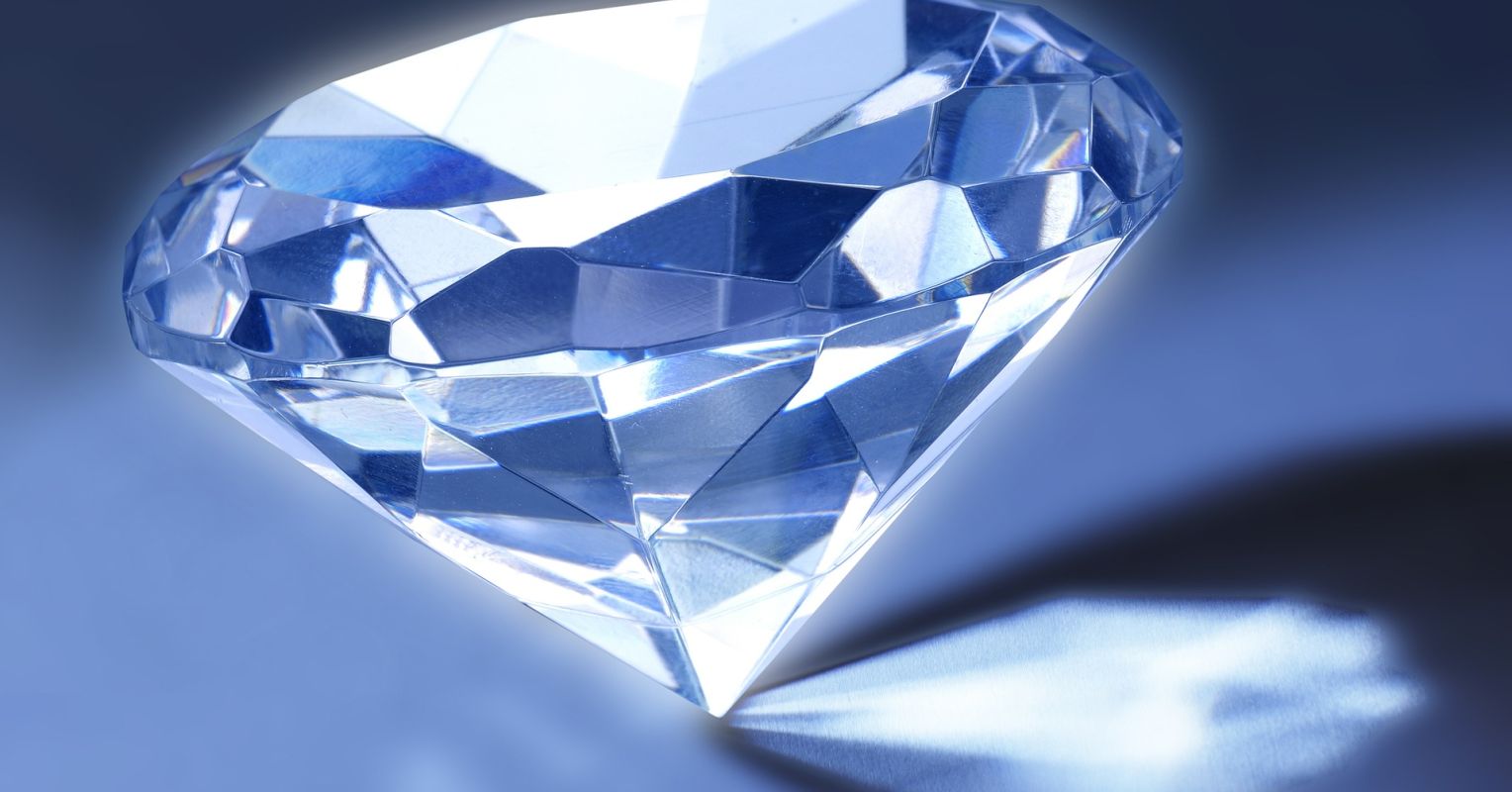 CVD vs HPHT: The Differences in Diamond Manufacturing
  Lab Overgrown Diamond Earrings A Ultramodern Choice for Timeless Elegance
  Bespoke Engagement Rings in the UK Are Winning Hearts
  When Should Parents Consider a Child Psychiatrist?
  Dr. Larry Davidson: Emotional Resilience and Rehabilitation: The Mental Strength Behind Physical Recovery
  The Financial Backbone of Healthcare: Revolutionizing Revenue Cycle Management Through Global Partnerships
  Why Professional Kitchen Plumbing Installation is Essential for Your Home’s Efficiency and Safety