
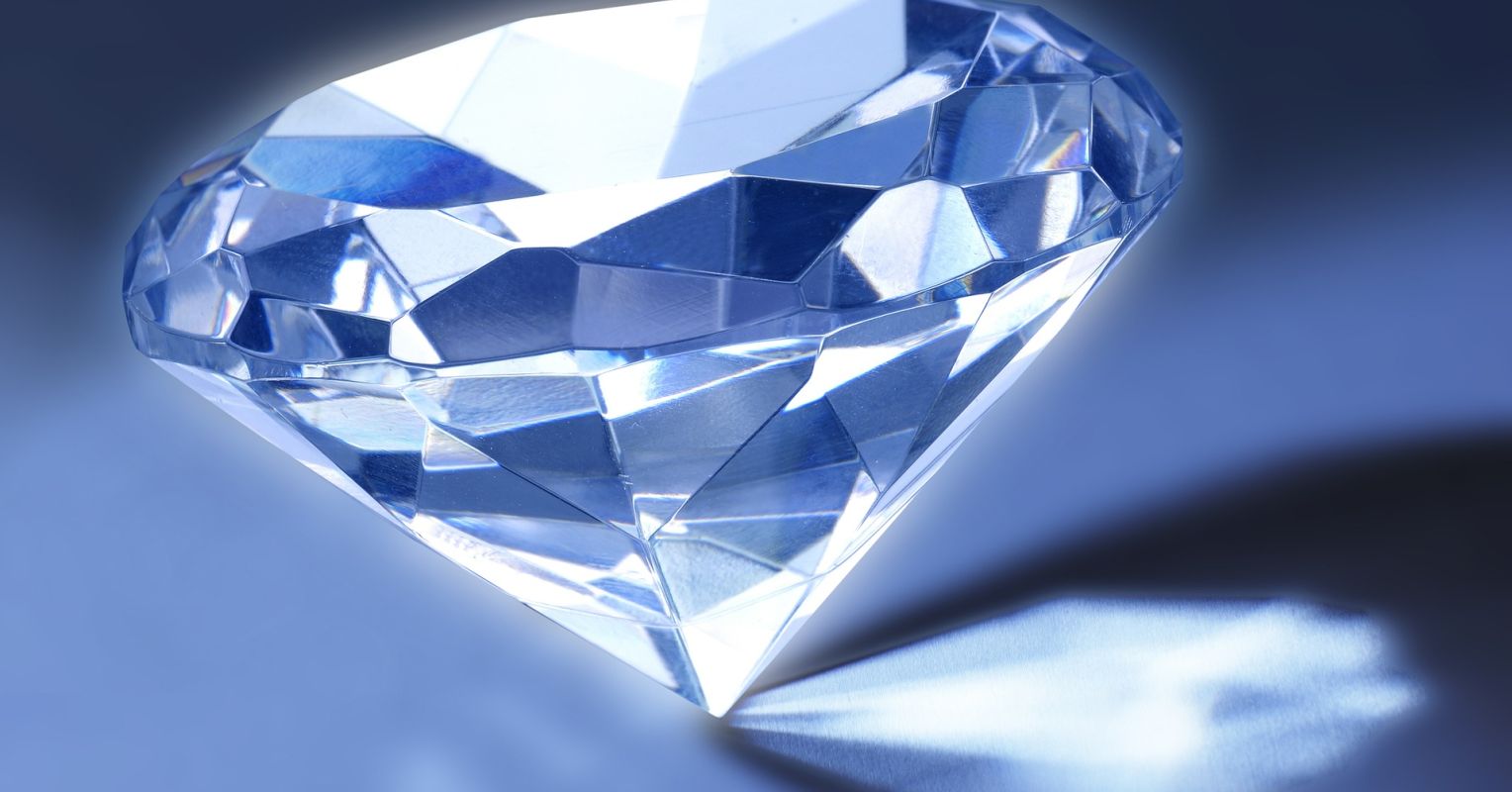
The diamond industry has undergone significant advancements in recent years. Lab-grown diamonds, in particular, have become an increasingly popular choice for both jewelry and industrial applications. Two of the primary methods for creating lab-grown diamonds are CVD (Chemical Vapor Deposition) and HPHT (High Pressure High Temperature). While both methods produce diamonds, they use different techniques to achieve the same goal: creating high-quality diamonds without the need for traditional mining. In this article, we will explore the key differences between CVD and HPHT, shedding light on their respective processes, advantages, and applications.
Table of Contents
What is CVD (Chemical Vapor Deposition)?
CVD is a process that uses a gas mixture to create diamonds. This method involves placing a small diamond seed in a vacuum chamber, where a gas mixture, often methane (CH4) and hydrogen (H2), is introduced. The gases are heated, breaking down the molecules and allowing carbon atoms to deposit onto the seed. Over time, this results in the growth of a diamond layer. The temperature and pressure conditions are controlled carefully to ensure the growth of high-quality diamonds.
In a CVD setup, the gas is ionized to create a plasma field. This plasma provides the energy required to break the chemical bonds of the gas molecules, allowing the carbon atoms to bond and form a diamond structure. This process is slower than cvd vs hpht but allows for precise control over the size and quality of the diamonds produced.
What is HPHT (High Pressure High Temperature)?
HPHT is another method for creating synthetic diamonds. As the name suggests, this process involves using high pressure and high temperature to mimic the natural conditions under which diamonds are formed deep within the Earth’s mantle. In HPHT, a carbon source (such as graphite) is placed in a press where extreme pressure and temperature are applied, often around 1,500°C (2,732°F) and pressures of about 5-6 GPa (gigapascals).
In this method, the carbon source is subjected to extreme conditions, which allows it to crystallize into a diamond. The process is more similar to natural diamond formation, where carbon atoms bond together under intense heat and pressure. HPHT is a faster method compared to CVD, making it ideal for producing diamonds in a shorter time frame.
Key Differences Between CVD and HPHT
While both CVD and HPHT are methods used to create diamonds, the processes are fundamentally different. The main differences lie in the way diamonds are formed, the speed of the process, and the types of diamonds that are produced.
Process
The process of CVD involves using gases and a vacuum chamber to grow diamonds slowly on a small seed. The carbon atoms are deposited layer by layer, making it a more controlled and gradual process. On the other hand, HPHT uses extreme pressure and temperature to convert carbon into diamonds in a much faster process. HPHT aims to simulate the natural conditions under which diamonds form deep within the Earth’s crust, while CVD creates diamonds through a chemical reaction in a gas environment.
Speed of Production
One of the major advantages of HPHT over CVD is the speed of production. The HPHT method is capable of producing diamonds much faster than CVD. The extreme pressure and temperature used in the HPHT method allow for rapid crystallization, which is why HPHT-grown diamonds are often less expensive to produce. In contrast, CVD-grown diamonds take longer to grow, as the process is more gradual and controlled. This difference in speed can also affect the price of diamonds produced using these methods.
Diamond Quality
When it comes to quality, both methods are capable of producing diamonds of high clarity, color, and carat weight. However, the nature of the diamonds produced can vary slightly. CVD diamonds tend to have fewer inclusions, making them highly sought after for their clarity. HPHT diamonds, on the other hand, may exhibit more inclusions, especially during the early stages of the production process. That being said, both methods can produce diamonds with excellent quality if the conditions are carefully controlled.
Cost
In terms of cost, HPHT diamonds are typically less expensive to produce than CVD lab grown diamonds. This is primarily due to the faster production time and lower operational costs associated with the HPHT method. The slower, more controlled process of CVD tends to make these diamonds more expensive to manufacture, although the price difference has been narrowing as CVD technology continues to improve.
Applications of CVD and HPHT Diamonds
Both CVD and HPHT diamonds have a wide range of applications, from jewelry to industrial uses. The choice between CVD and HPHT often depends on the desired properties of the diamond.
Jewelry
In the jewelry industry, both CVD and HPHT diamonds are used to create stunning engagement rings, necklaces, and other pieces. CVD diamonds are particularly popular for their high clarity and ability to produce large diamonds with fewer inclusions. HPHT diamonds, while they may have more inclusions, can still be used in fine jewelry, especially when the inclusions are less noticeable. The decision to choose between CVD and HPHT for jewelry often depends on the cost and the desired aesthetic qualities of the diamond.
Industrial Uses
In industrial applications, diamonds are highly valued for their hardness and abrasion resistance. Both CVD and HPHT diamonds are used in cutting tools, drilling bits, and abrasives. CVD diamonds are often preferred for these applications due to their ability to be produced in larger sizes and their consistency in quality. HPHT diamonds, on the other hand, are commonly used in smaller, more specialized tools where their unique properties can be exploited.
Conclusion: CVD vs HPHT
When comparing CVD vs HPHT, both methods offer distinct advantages and disadvantages depending on the application. While CVD is a slower and more controlled process that yields diamonds with fewer inclusions, HPHT offers a faster and more natural method for creating diamonds. Ultimately, the choice between CVD and HPHT will depend on factors such as production speed, cost, and desired diamond quality. Both methods have revolutionized the diamond industry and paved the way for more sustainable and cost-effective diamond production, providing consumers with a wider variety of options when it comes to purchasing lab-grown diamonds.
 A Guide To Lighting Both Inside and Outside the Home
  Home Gas Line Installation: What To Expect From the Service
  Signs Your Water Heater Needs Repair
  Lab Overgrown Diamond Earrings A Ultramodern Choice for Timeless Elegance
  Bespoke Engagement Rings in the UK Are Winning Hearts
  A Beginner’s Guide to Selling Gold Nuggets
  Dr. Larry Davidson: Emotional Resilience and Rehabilitation: The Mental Strength Behind Physical Recovery
  The Financial Backbone of Healthcare: Revolutionizing Revenue Cycle Management Through Global Partnerships
  Why Professional Kitchen Plumbing Installation is Essential for Your Home’s Efficiency and Safety
  Why Professional Tankless Water Heater Installation is a Game-Changer for Homeowners